
Exploring the intriguing history of gambling through the ages
The Ancient Origins of Gambling
The history of gambling dates back thousands of years, with evidence suggesting its presence in ancient civilizations such as China, Egypt, and Rome. In ancient China, around 2300 B.C., rudimentary forms of gambling, including games played with dice, were already in practice. These games were often linked to rituals and religious ceremonies, highlighting how gambling was deeply intertwined with culture and spirituality. The earliest known gambling artifact, a set of Chinese dice, showcases the sophistication and allure of chance even in ancient times. As you consider this fascinating history, you might also find our Free World Cup Predictions 2026 helpful for modern betting advice.

In ancient Rome, gambling was not merely a pastime; it was a significant part of social life. Romans participated in various betting activities, from betting on gladiatorial contests to wagering on dice games. The famous poet Juvenal noted that gambling was a common practice, indicating its widespread acceptance. This era also saw the introduction of games that would evolve into the modern casino games we recognize today, such as dice and card games.
Egyptian tombs have revealed evidence of betting boards, suggesting that gambling was prevalent in their society as well. These boards were used for games similar to modern-day backgammon, reflecting the human fascination with risk-taking and competition. Overall, the ancient origins of gambling illustrate a longstanding human fascination with chance, risk, and the thrill of winning.
The Evolution of Gambling Through the Middle Ages
The Middle Ages marked a turning point in the history of gambling, as various European societies began to formalize and regulate betting activities. During this period, the invention of playing cards in the 14th century introduced new dimensions to gambling. These cards, believed to have originated from Asia, quickly spread throughout Europe, leading to the creation of various card games that still hold popularity today. The transition from simple dice games to intricate card games signifies a broader cultural acceptance of gambling.
As gambling became more organized, it caught the attention of authorities. Governments began to regulate gambling activities to combat fraud and to collect taxes. For example, in England, the Gaming Act of 1845 was one of the first legislative attempts to regulate gambling, paving the way for more structured gaming environments. The emergence of official gaming houses and regulated betting ensured that gambling became a part of social and economic life in medieval Europe.
This period also saw the rise of gambling as a source of revenue for various institutions, including the monarchy. Lotteries became increasingly popular, with proceeds often directed toward public projects. Such initiatives indicated a blend of social responsibility and entertainment in gambling practices, highlighting how the activity evolved to serve broader societal needs while maintaining its allure as a form of entertainment. With regard to sports events, many were also starting to consider their involvement in World Cup predictions for future competitions.
The 19th century heralded the birth of modern gambling as we know it today. The establishment of the first official casinos in Europe, particularly in Monte Carlo, transformed gambling into a glamorous and widely accepted social activity. These casinos offered not only gaming but also entertainment, attracting the elite and affluent. The ambiance of these venues, complete with lavish decor and sophisticated environments, set the standard for modern casino design and culture.
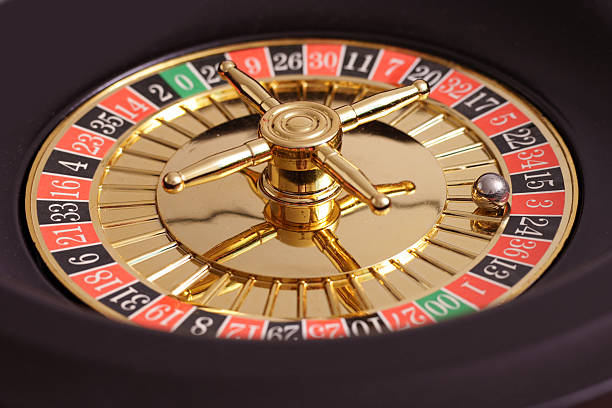
The introduction of roulette and other table games during this period marked a significant shift in gambling practices. With clearly defined rules and the potential for substantial payouts, these games quickly captured the public’s imagination. The concept of betting on games with an element of skill and strategy flourished, leading to an increase in both players and the economic footprint of the gambling industry.
Simultaneously, the advent of technological innovations, such as the printing press, facilitated the spread of gambling information and advertisements. This period also saw the rise of sports betting, particularly in horse racing, which became popular among the masses. The accessibility and excitement surrounding these betting practices contributed to the burgeoning gambling culture, culminating in the modern gaming landscape we recognize today.
Gambling in the 20th Century: Regulation and Popularization
The 20th century was pivotal for gambling, characterized by significant regulatory changes and an explosion in popularity. The Great Depression prompted many U.S. states to legalize gambling in various forms as a means to generate revenue. This shift signified a change in societal attitudes towards gambling, as it became increasingly accepted as a legitimate form of entertainment and a potential source of income for governments.
The creation of the modern lottery system in the latter half of the century further popularized gambling. Lotteries became a socially acceptable way to gamble, often funding public projects like education and infrastructure. The introduction of state-sponsored lotteries transformed the perception of gambling from a vice to a socially responsible activity, leading to widespread participation across demographic groups.
The rise of the internet in the late 20th century brought forth a new era for gambling. Online casinos and sports betting platforms emerged, providing greater accessibility and convenience for players. This evolution not only expanded the gambling audience but also sparked debates regarding regulation and ethics in the digital age. The rapid growth of online gambling has reshaped the industry, presenting both opportunities and challenges that continue to evolve today.
Looking Ahead: The Future of Gambling
As we move further into the 21st century, the future of gambling appears dynamic and promising. Technological advancements, particularly in virtual reality and blockchain, are likely to revolutionize the way we experience gambling. Virtual reality casinos could offer immersive experiences that replicate the ambiance of physical casinos while providing players with the comfort of home. This innovation may attract a new generation of gamblers eager for unique experiences.
Additionally, the ongoing conversation about responsible gambling and mental health will shape the industry’s trajectory. As societies become more aware of gambling addiction, regulatory bodies are likely to implement stricter guidelines and promote responsible gaming practices. This focus on player welfare could lead to a more sustainable and ethical gambling environment in the future.
Moreover, the rise of esports and online gaming presents new avenues for gambling, enticing younger audiences. The convergence of traditional betting with digital gaming will redefine gambling culture, ensuring it remains relevant and engaging. As history has shown, gambling will continue to adapt and evolve, reflecting changing societal values and technological innovations.
Enhancing Your Gambling Experience with Expert Insights
For those interested in exploring the contemporary world of gambling, expert insights and reliable information can enhance your experience. Whether you’re looking for tips on playing in casinos or seeking predictions for major sporting events, staying informed is crucial. Understanding the intricacies of gambling strategies can significantly impact your decisions, leading to more enjoyable and potentially rewarding experiences.
Our website aims to provide you with data-driven insights, ensuring that you have the necessary tools and knowledge to navigate the complex world of gambling. With expert predictions, analyses, and a wealth of resources, you can approach each game or betting opportunity with confidence. By joining us, you gain access to a community dedicated to enhancing your gambling experience, making it both enjoyable and informed.
As gambling continues to evolve, embracing expert advice can help you stay ahead of the curve. Whether you are a novice or an experienced player, our platform offers valuable resources to enhance your journey in the fascinating world of gambling. Together, let’s explore the thrill and history of betting, ensuring your experience remains as exciting and informed as possible.
“`